
Reviewed · WALKING TOURS
Helsinki: Architecture Walking Tour with Expert
Helsinki can feel like an open-air architecture museum. This 3-hour walking tour helps you read the city like a story, moving through different styles and the people and politics that shaped them. The small group format keeps the talk personal, not like you’re just herded from stop to stop.
I especially love how the tour connects architecture styles to real Finnish life, not just building facts. I also like that the guide, Emek, keeps the pacing easy to follow and blends design, history, and culture without turning it into a lecture.
One thing to plan for: you walk about 5 to 6 km (3 to 4 miles), and it runs in rain or shine, so you need comfortable shoes and weather-ready layers.
In This Review
- Key things you will notice right away
- Why Helsinki’s architecture changes every few blocks
- Meeting at Aleksanterinkatu and Kluuvikatu, then walking smarter
- Senate Square: neoclassical order you can actually feel
- The National Library and Central Railway Station: grand public spaces
- Art Nouveau, Jugendstil, and the “why” behind the details
- Pohjola Insurance Building and civic identity in the 20th century
- Oodi and the new public spirit of Helsinki
- How Emek makes the architecture click, without the heavy lecture feel
- Price and value: what you actually get for $70
- What to bring, and how to make the walk enjoyable
- Who should book this Helsinki architecture walk
- Should you book Ataman Tours’ Helsinki architecture walking tour?
- FAQ
- How long is the Helsinki architecture walking tour?
- How much does the tour cost?
- What is the meeting point?
- Is the tour guided, and what language is it in?
- How big is the group?
- How far will I walk?
- Does the tour run in bad weather?
- What should I bring?
- Can I cancel for a refund?
Key things you will notice right away

- Small group size (max 6), which makes it easier to ask questions and actually hear details.
- Emek’s style, history plus architecture plus Finland culture, kept light enough to stay fun.
- Real building stops, including Senate Square and major landmarks like the Central Railway Station and the National Library.
- Modern Helsinki included, with Oodi and other contemporary sights that show the city moving forward.
- Aalto, Saarinen, and Engel get context, so their buildings make sense instead of feeling like random pretty facades.
Why Helsinki’s architecture changes every few blocks

Helsinki is unusually good for architecture fans because styles overlap in the center. You can stand in one place and see how different periods left their marks, from older monumental looks to later design movements that feel more human-scaled and practical. That mix is the whole point of the tour.
You’ll hear names like Engel, Saarinen, and Aalto, and you’ll also learn what those architects were trying to solve. The city’s story is not only about beauty. It’s about identity, status, and the practical realities of building in a cold climate and along the coast.
The best part is that the guide teaches you how to “spot” what you’re seeing. Instead of memorizing dates, you start recognizing cues: the mood of stone and symmetry, the playfulness of Jugendstil details, or the clean logic of modernism and functionalism. By the time you reach the newer buildings, you’ll be able to explain to yourself why the city evolved the way it did.
More Walking Tours in Helsinki
- A Finntastic Walking Tour in Helsinki
★ 5.0 · 700 reviews - Epic Helsinki: English Speaking Walking Tour
★ 4.8 · 661 reviews - Helsinki: Private Walking Tour with a Local
★ 4.5 · 429 reviews
Meeting at Aleksanterinkatu and Kluuvikatu, then walking smarter
You meet at the corner of Aleksanterinkatu and Kluuvikatu, outside in front of Aleksanterinkatu no 9B, by the Nanso Clothing Store. It’s easy to find, and it also sets you up right in the middle of Helsinki’s main pedestrian zone.
This tour is 3 hours with a live English guide, and it’s designed for a small group of up to 6. In practice, that means less waiting around. You get more time at the buildings, and you can hear the key points without straining.
Plan for movement: you’ll cover roughly 5 to 6 km. That’s totally doable if you wear shoes you trust. Bring weather-appropriate clothing, because this runs year-round in rain or shine. A nice detail from past tour experiences is that Emek adjusts when conditions get brutal, shifting explanations indoors when possible to keep everyone comfortable.
If you’re the type who likes to see highlights fast but also wants real context, this format hits a sweet spot.
Senate Square: neoclassical order you can actually feel

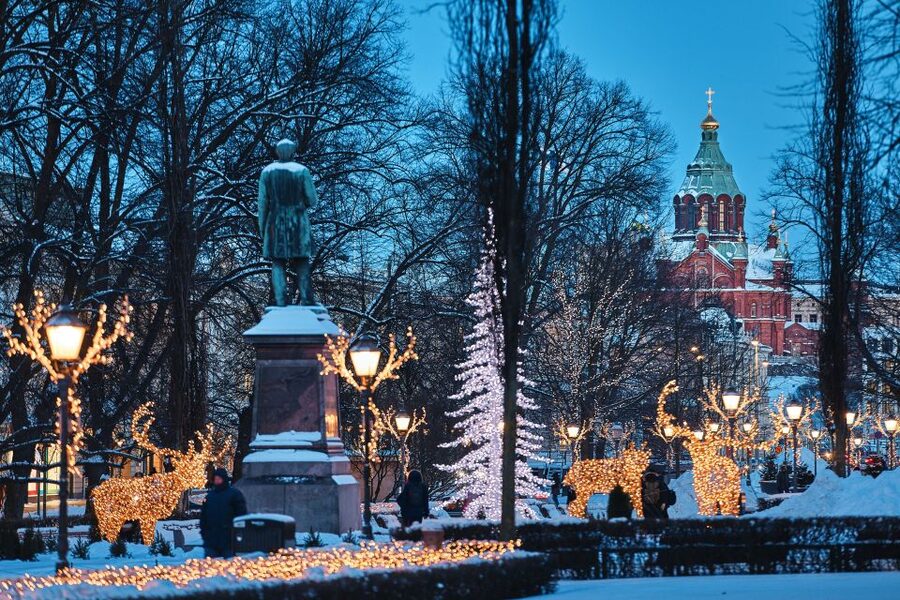
A stop at Senate Square gives you a foundation. This area is about clarity and authority, with a look that feels intentionally composed. The square is the kind of place where symmetry does more than look good. It signals power, civic pride, and the idea of Helsinki as a city that meant business.
The guide helps you read those choices. Why do some buildings feel formal and monumental? What does that communicate to the people using the square? And how does that connect to the broader architectural direction of the time?
Even if you’ve seen neoclassical buildings before, Helsinki’s version has a specific local character. You’ll likely notice how the proportions and materials create a calm, “this is stable” feeling. It’s a good early lesson because it gives you a baseline for what changes later, when the city grows more expressive and more modern.
The National Library and Central Railway Station: grand public spaces
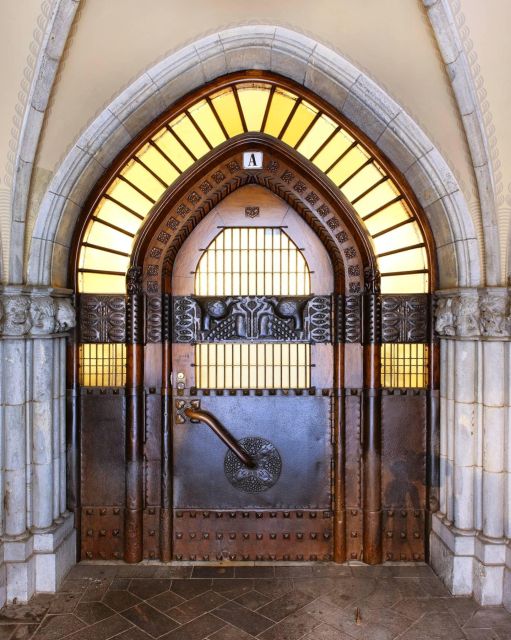
The National Library of Finland is more than a landmark. It’s a statement about learning and national culture, built to last and built to matter. Here you’ll focus on how architecture supports public purpose, not just private aesthetics.
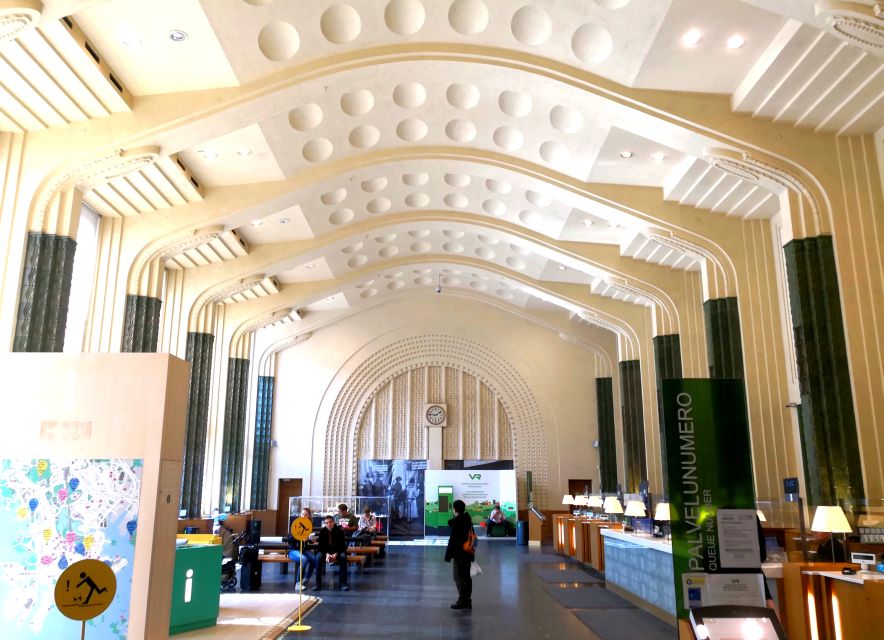
Then comes the Central Railway Station, a classic “arrive and feel something” building. Stations are some of the most revealing structures in any city because they have to impress fast. They also have to function day after day. The best guides point out the details that create that balance, and this tour does exactly that.
One of the practical advantages of this tour is that it includes time where you can experience these spaces up close. Past groups have mentioned going inside major buildings like the National Library and the main station, which is a big quality boost. When you can stand inside, you feel the scale and the design choices more clearly than from street level alone.
You’ll leave these stops with a sharper sense of what Helsinki values in civic architecture: clarity, strength, and a welcoming public atmosphere, even when the city is at its coldest.
Same latitude, a completely different day:
- Helsinki: Sightseeing Canal Cruise with Audio Commentary
★ 4.5 · 1,299 reviews - From Helsinki: Nuuksio National Park Half-Day Trip
★ 4.8 · 688 reviews - Helsinki: Tallinn Guided Day Tour with Ferry Crossing
★ 4.6 · 670 reviews - Helsinki: Hop-On Hop-Off City Bus Tour
★ 4.2 · 585 reviews
Art Nouveau, Jugendstil, and the “why” behind the details

Helsinki didn’t just pick one style and call it done. One of the most fun parts of this tour is moving through streets where the decorative language changes. You’ll hear about movements like Art Nouveau and Jugendstil, which often show up in those buildings where the ornament feels more alive.
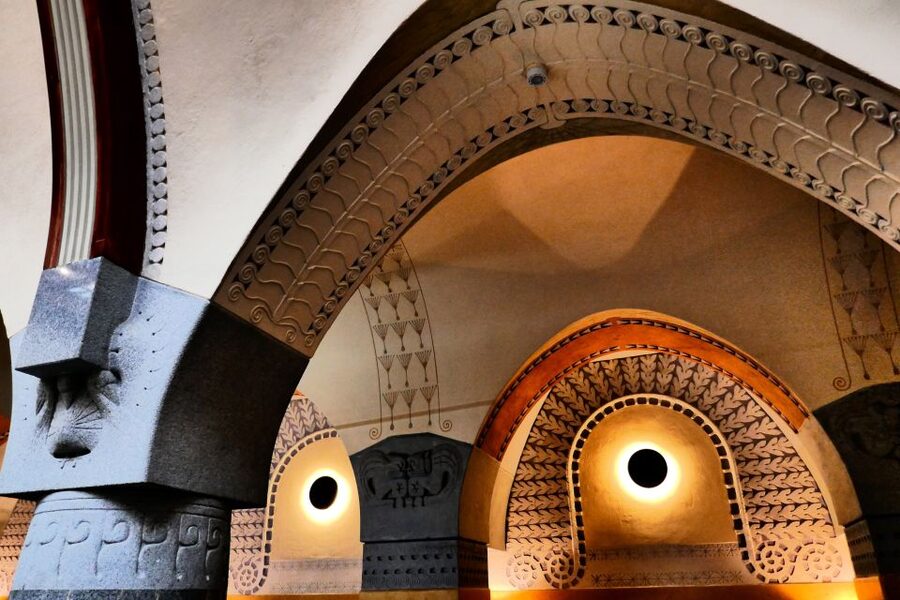
A named stop on the route is JugendHall. That’s where the style feels tangible, not abstract. The guide helps you connect what you see to the wider design mindset of the era, including the shift toward artistry in everyday city life.
This is also where architecture starts feeling like culture. The decorative elements are not just decoration. They reflect what people wanted to believe about progress, taste, and the role of the city itself. When you understand the “why,” you start looking at details you would otherwise skip.
If you like street-level observation, this part is a treat. It trains your eye. Afterward, you’ll spot similar cues in Helsinki on your own, without needing a guide for every block.
Pohjola Insurance Building and civic identity in the 20th century
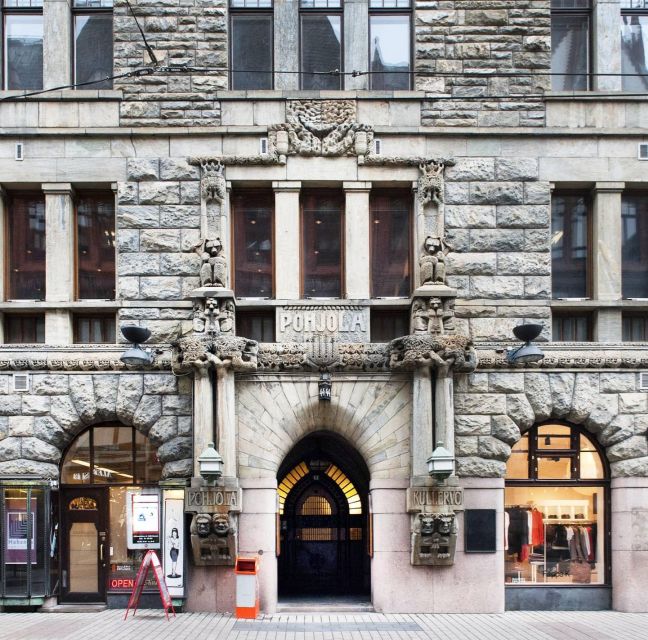
Another notable stop is the Pohjola Insurance Building. Insurance buildings are a fascinating category because they are tied to stability. A company that sells security wants its home to feel reliable and well-controlled.
On this tour, you get context for how that kind of corporate ambition shows up in architecture. The guide links design to the social and political mood of the time, which helps the building feel meaningful instead of just “another office structure.”
You may also spend some time inside buildings like Pohjola when the route allows. One past group specifically mentioned going into the Pohjola building as part of the tour, which makes a difference. Interior views often reveal material choices, layout logic, and the way daylight and form shape your experience of the space.
What I like here is that the tour doesn’t treat these buildings as museum pieces. It frames them as active parts of Helsinki’s public identity, built during a period when institutions were defining how the city would look and behave for decades.
Oodi and the new public spirit of Helsinki
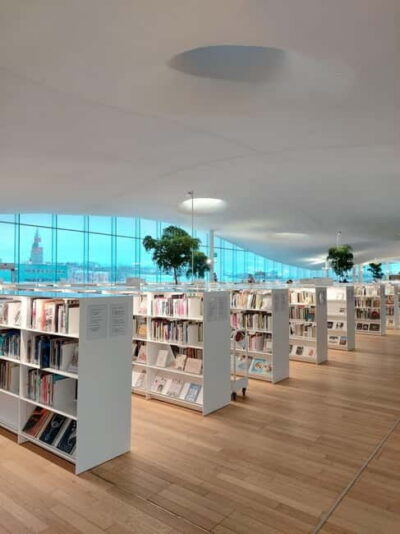
Oodi, Helsinki’s public library, represents the modern side of the city, and it’s a smart contrast after you’ve seen older civic landmarks. Libraries can be boring on paper, but in real life they show what a city thinks about community and access.
Oodi’s inclusion on the route matters because the tour is trying to show continuity and change at the same time. The guide points out what modern design prioritizes, and you start seeing how the city redefines public space for new needs.
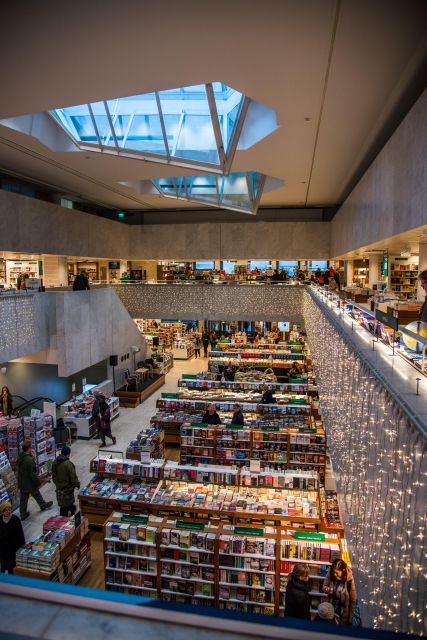
You’ll also get stops like the Academic Bookstore, which keeps the route grounded in daily life. Architecture doesn’t exist in a vacuum. It lives next to the routines of reading, learning, and talking to people. When you connect that to what the buildings are designed to do, you get the full picture.
This is the part where you’ll feel the tour’s broader message: Helsinki doesn’t just preserve the past. It keeps building with an eye toward function and public value. That’s how the city’s architecture starts to feel like a living conversation rather than a frozen timeline.
How Emek makes the architecture click, without the heavy lecture feel
The biggest strength of this tour is the guide. Emek’s approach comes through in how people describe the experience: entertaining, educational, and paced so it stays easy to follow.
You’ll notice two things in his storytelling:
1) He ties architectural choices to Finland and to how people live. That’s why the tour feels more human than purely design-focused.
2) He explains history and politics without making it heavy. Even when you’re learning about old styles, it never feels like you’re stuck in a textbook.
A recurring theme in past tours is that groups feel the tour is tailored. That can mean different things for different people, but the result is the same: you’re not trapped in a rigid script. Emek also has a strong command of English, which makes details easier to catch, especially if you’re interested in the “why” behind stylistic decisions.
And since it’s small group and year-round, it works even when the weather is harsh. In cold conditions, the guide may conduct explanations indoors as much as possible when opportunities arise. That’s a practical touch that keeps the experience enjoyable rather than miserable.
Price and value: what you actually get for $70
At $70 per person for a 3-hour small-group tour, you’re paying for two things: expertise and time with it. This is not a self-guided walk where you hope an app will explain the buildings correctly. You’re with a real person who can connect visual details to context on the spot.
The small group size (max 6) improves value. You’re not competing with a crowd for the guide’s attention. You also get more meaningful time at the stops, including major landmarks such as the National Library of Finland and the Central Railway Station, plus newer sites like Oodi.
If you’re the kind of traveler who enjoys asking questions, this kind of guided structure is usually where the money disappears in the best way. You spend less time guessing, and you enjoy more time looking.
If you already have strong architecture knowledge and you don’t care about the cultural link, you might find a self-guided photo walk cheaper. But if you want your eye trained and your city understanding upgraded, the price feels fair.
What to bring, and how to make the walk enjoyable
This tour covers 5 to 6 km, so comfort matters. Wear comfortable shoes you can walk in for a few hours. Helsinki’s weather can be unpredictable, and you should dress for conditions rather than for comfort at the start of the walk.
Practical packing tips:
- Dress in layers, especially if you’re touring in colder months.
- Bring a rain layer if the forecast looks iffy.
- Plan for walking pace, not sightseeing sprinting.
The route is designed to work rain or shine. That’s great if you’re visiting year-round, but it’s also a reminder to take weather seriously. The good news is that the guide knows how to keep the experience moving and informative even when conditions make outdoors less pleasant.
Also, the tour runs in English, so you’ll be able to follow the architecture explanations without gaps. That’s important because the tour’s value is in the details, not just the photos.
Who should book this Helsinki architecture walk
I think this tour is a great match if you:
- Love architecture and want an organized way to understand what you’re seeing.
- Want to see major Helsinki landmarks while getting the “why” behind the style changes.
- Prefer a small group experience rather than a big bus crowd.
- Appreciate culture context, not just building descriptions.
It’s also ideal as an early tour in your trip, because it gives you a mental map of the city’s architectural logic. Afterward, you’ll walk differently. You’ll notice details, and you’ll be better at linking what you see to the bigger story.
If you only care about a single style, like just neoclassical or just modernism, you might feel the variety is broad. But that mix is exactly what makes Helsinki such a rewarding city for first-time architecture learning.
Should you book Ataman Tours’ Helsinki architecture walking tour?
If you want a structured, expert-led walk through Helsinki’s neoclassical, Jugendstil, modern, and civic architecture, I’d book it. The guide, Emek, is the main reason this tour works, and the small group size keeps the experience personal and well-paced. You’ll walk a fair distance, but you’ll earn it with stops that teach you how to see the city.
Skip it only if you’re looking for a relaxed, no-thinking photo stroll. This is a “look closely, understand more” tour, and that’s why it’s so satisfying.
FAQ
How long is the Helsinki architecture walking tour?
The tour lasts 3 hours.
How much does the tour cost?
It costs $70 per person.
What is the meeting point?
Meet at the corner of Aleksanterinkatu Street and Kluuvikatu Street, outside in front of Aleksanterinkatu no 9B by the Nanso Clothing Store.
Is the tour guided, and what language is it in?
Yes, it includes a live tour guide. The tour is in English.
How big is the group?
The tour is a small group limited to 6 participants.
How far will I walk?
You should be prepared to walk about 3 to 4 miles (5 to 6 km).
Does the tour run in bad weather?
Yes, the tour operates all year-round, rain or shine.
What should I bring?
Bring comfortable shoes and weather-appropriate clothing.
Can I cancel for a refund?
Yes. You can cancel up to 24 hours in advance for a full refund.
Latest to land in Helsinki
- Ultimate Helsinki & Porvoo Tour– Private Car & Local Stories★ 4.9 · 6 reviews
- Traditional smoke sauna experience and national park visit★ 5.0 · 10 reviews
- Winter kayaking in Eastern Helsinki archipelago★ 5.0 · 3 reviews
- From Helsinki: Moose Safari with Campfire Dinner★ 5.0 · 58 reviews
- Winter Wonderland Hike in a National Park★ 5.0 · 63 reviews
- Walking tour with a Wilderness Guide★ 5.0 · 17 reviews
- Helsinki Self-Guided Audio Tour★ 3.5 · 14 reviews
- Private VIP Transfer from or to Helsinki Airport★ 4.5 · 11 reviews
Walking Tours, compared.







Small-Group Walking Tour with City Planner Guide
Read our review →Browse the lists this tour appears in