
Reviewed · ICE FLOATING
Helsinki: Floating Experience in a Survival Suit
Cold sea, warm suit, calm mind.
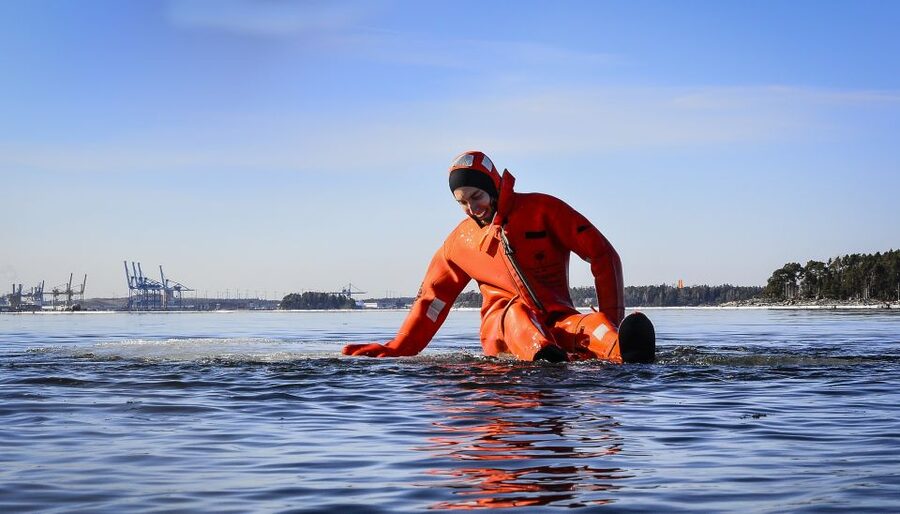
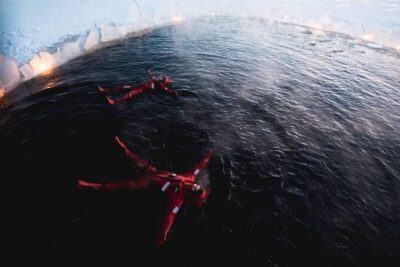
This Helsinki experience has you floating on the Baltic Sea surface in a neoprene survival suit, staying warm and dry while learning what matters in real cold-water emergencies. I especially liked how it mixes relaxation with practical sea-safety skills, and how the instructors keep things clear even if you have zero experience. One thing to consider: it is not for everyone, especially if you have mobility limitations or are under 155 cm.
What I love most is the way the suit does the job immediately. You step in, and the training shifts from scary theory to hands-on understanding of what cold water actually does to the body. I also liked hearing survival and rescue guidance delivered in English by guides such as Olli, Oli, Leif, and Patrik, and seeing how patient they are with nervous first-timers.
The main drawback is not the cold itself, it’s the suit fit and body positioning. One participant noted the face area feels a bit tight, and “sitting up” or looking around can feel like work on the neck.
In This Review
- Key Things to Know Before You Float in Helsinki
- Floating in Helsinki, But With Real Cold-Water Safety in Mind
- Your 1.5 Hours on the Water: What Happens From Start to Finish
- Suit-up and first instructions
- Floating and relaxation, with guidance in the background
- Survival and rescue techniques, adjusted for conditions
- Open Water vs Ice Floating: How the Focus Changes
- If it’s open water
- If it’s ice conditions
- Hypothermia, Cold-Water Panic, and the Stuff That Actually Helps
- Who This Helsinki Float Is Best For
- Not a match if…
- What to Wear (and What Helps) for Real Comfort in Winter
- Price and Value: Is $159 Worth It?
- Guide Personalities: Why People Keep Mentioning Olli, Leif, and Patrik
- The Best Way to Enjoy It Without Overthinking
- Should You Book This Helsinki Floating Survival Suit Experience?
- FAQ
- How long is the Helsinki floating experience?
- What’s included in the price?
- Do I need to know how to swim?
- What should I bring?
- Is the activity affected by weather?
- Is there any age or height requirement?
Key Things to Know Before You Float in Helsinki
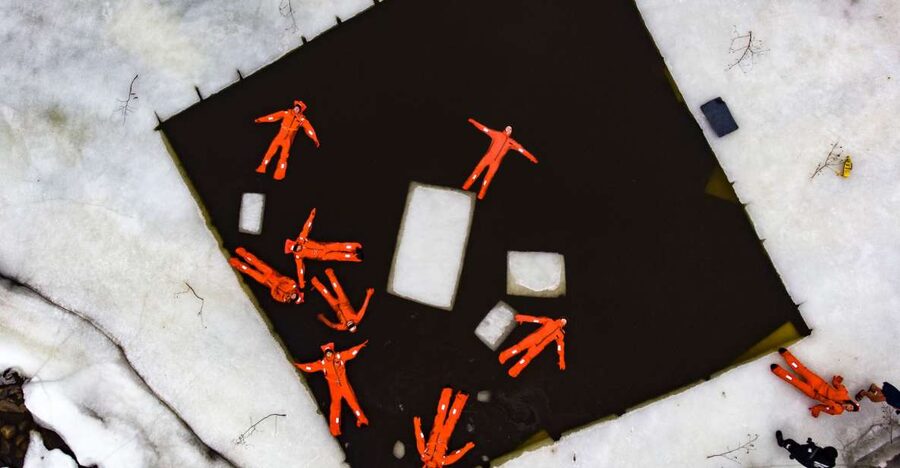
- You stay warm and dry, because the neoprene survival suit is the centerpiece of the experience.
- Rescue and survival lessons are built in, not tacked on at the end.
- The session changes depending on open water vs ice conditions, so expect different emphasis.
- You do not need to know how to swim or have any water experience to participate.
- Many guides help with photos and quick video keepsakes after you finish.
Floating in Helsinki, But With Real Cold-Water Safety in Mind
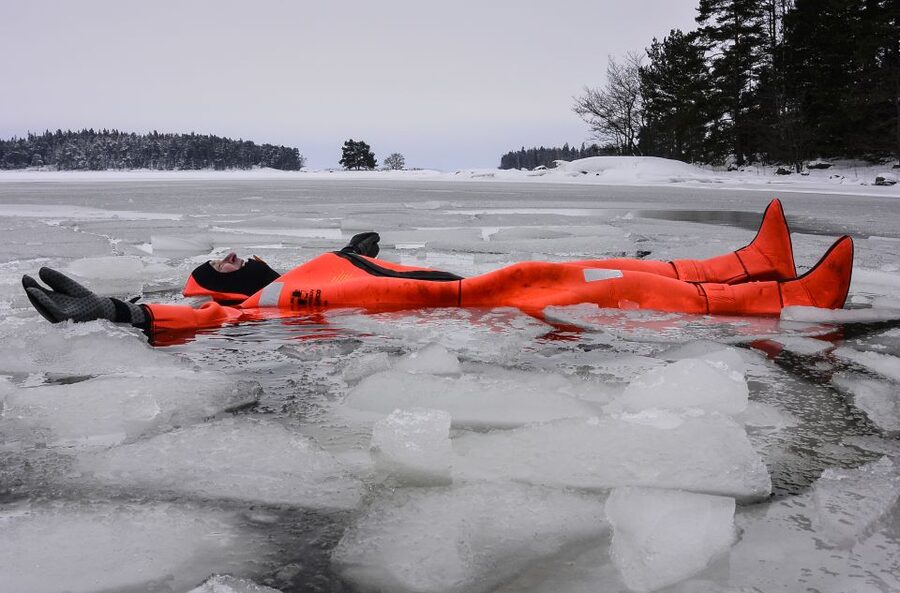
Helsinki can look postcard-calm even when the air is sharp. This experience uses that contrast in the best way, you get the surreal feeling of weightlessness in real open water or ice conditions, but the focus stays grounded in cold-water survival basics.
You’re not going to “just float.” You’re going to learn how to think, breathe, and act if you ever find yourself in trouble around frigid water. The guides keep the tone practical, with enough theory to make sense of what you’re feeling, and enough technique to make you safer.
And yes, you’ll have fun doing it. Floating in a suit is relaxing in a way that surprises most people. Several participants described the experience as a highlight, even for non swimmers who were nervous at the start.
More Ice Floating in Helsinki:
- Helsinki: Rustic Traditional Floating Sauna Experience
★ 5.0 · 5 reviews - Rovaniemi: Ice Floating in Forest Lake with Aurora Borealis
★ 4.3 · 797 reviews - Rovaniemi: Icebreaker Cruise with Ice Floating and Transfer
★ 4.7 · 453 reviews
Your 1.5 Hours on the Water: What Happens From Start to Finish
The total time is listed as 1.5 hours, but in practice you’ll likely spend part of that time in the water, then shift into safety instruction and practice. Even when the “in-water” portion feels shorter or longer depending on conditions, the flow stays similar: briefing, suit, water time, then key takeaways.
Suit-up and first instructions
Before anyone gets wet, you get instruction on how to move safely in the suit and how to handle the cold-water mindset. The guides emphasize that you do not need swimming ability, which matters because it changes how you approach the water. Instead of worrying about strokes, you focus on breathing and controlled movement.
You slip into the survival suit, and the difference between chilly air and the water is immediate. The suit is designed for warmth and flotation support, so your comfort kicks in fast. From there, the tone becomes experiential, you learn by doing, while the guide watches closely.
Floating and relaxation, with guidance in the background
Floating is the core, and it’s not passive in the “just hang there” sense. You’ll be guided through what to do, including how to stay calm and how to move efficiently. Multiple people mentioned that they were not cold in the suit, and that the experience felt relaxing once you close your eyes and let the silence do its work.
A few more Helsinki days worth lining up
- Helsinki: Sightseeing Canal Cruise with Audio Commentary
★ 4.5 · 1,299 reviews - A Finntastic Walking Tour in Helsinki
★ 5.0 · 700 reviews - From Helsinki: Nuuksio National Park Half-Day Trip
★ 4.8 · 688 reviews - Helsinki: Tallinn Guided Day Tour with Ferry Crossing
★ 4.6 · 670 reviews
Survival and rescue techniques, adjusted for conditions
This activity runs in natural conditions, and the plan changes based on whether you’re dealing with open water or ice. In open water season, the focus includes rescue at sea, relaxation, and survival techniques. In ice conditions, the focus shifts toward ice behavior, its effects, and relaxation.
From the way participants described their moments in the water, you may do additional practical challenges on the water, such as self-rescue-type actions and mobility drills like sitting up correctly. In ice conditions, some people also described walking on frozen sections, jumping in, and breaking ice under safe guidance. Exact actions vary with temperature and what’s present that day, but the intent stays consistent: you learn the right response, not just the thrill.
Open Water vs Ice Floating: How the Focus Changes
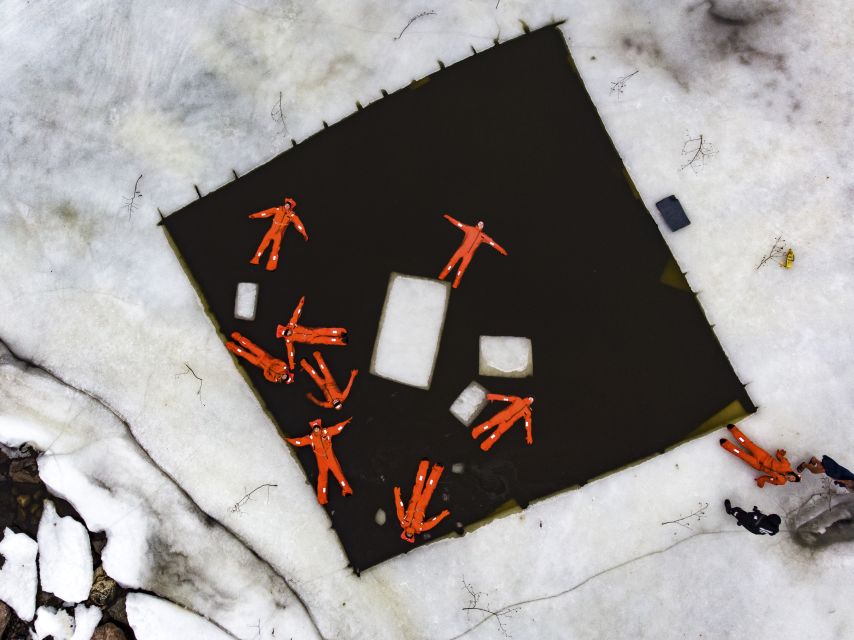
Helsinki gives you two different “classes” of cold water depending on season. That’s why this experience splits into open water and ice behavior modes.
If it’s open water
You’ll spend more time on the idea of rescue and response in cold sea conditions. The guide helps you understand what matters most: how quickly cold affects the body, why staying calm matters, and what your priorities are if you’re struggling.
The “relaxation plus skills” mix shows up here too. People repeatedly mentioned that the floating part feels genuinely soothing, and the safety instruction makes that calm feel earned rather than forced.
If it’s ice conditions
Ice changes everything. The guide shifts the conversation to how ice behaves, what it does to you and the water below, and how to handle yourself safely. Several participants talked about the extra fun of ice time, including walking on the frozen Baltic Sea and even getting into ice conditions when it was available.
Even when it turns playful, the safety theme stays front and center. The goal is for you to leave understanding how cold conditions change risk and how to protect yourself.
Hypothermia, Cold-Water Panic, and the Stuff That Actually Helps
Cold water is not just cold. It’s fast. That’s why hypothermia and cold-water reaction basics are part of the experience.
You’ll learn about hypothermia, and why starting with winter bathing can help your body adapt when done safely and sensibly. The emphasis is not bravado. It’s practical knowledge about what your body experiences and how to respond before panic takes over.
One reason this experience feels valuable is that it connects classroom concepts to an actual situation you’re experiencing in real time. When you’re in the suit, you can understand the lessons without the terror. You feel the environment, and the guide gives you the mental tools to handle it.
You’ll also hear what to do in a real survival situation. That includes thinking through the basics of rescue and survival actions rather than getting lost in complicated scenarios. This is exactly the kind of training you want if you ever spend time around the sea in winter.
Who This Helsinki Float Is Best For
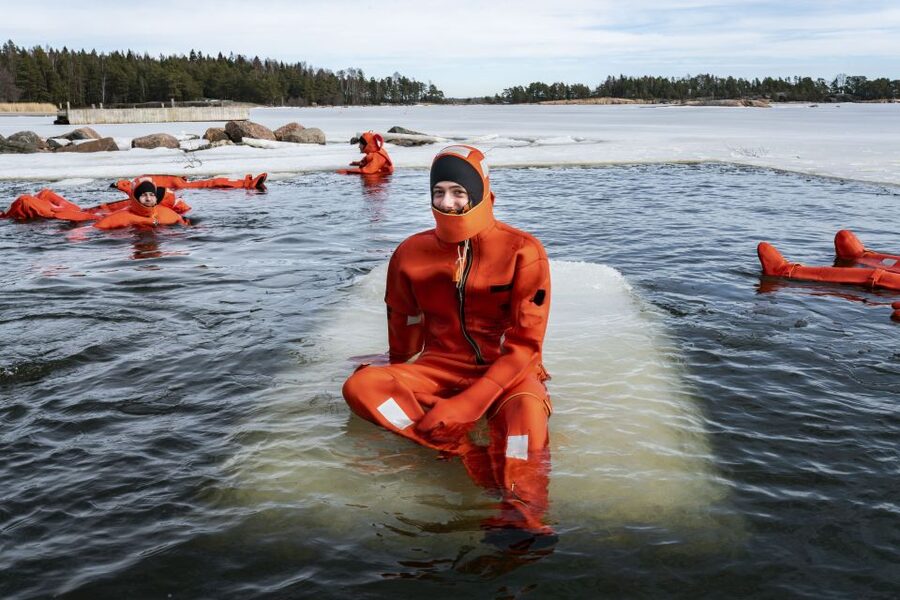
This is one of those activities that surprises people in a good way. You don’t need to be a swimmer, and you don’t need prior water experience. If you’re the type who wants a memorable winter experience without pretending you’re an athlete, this fits.
It’s also a strong pick if you’re curious about cold-water safety. Some people booked expecting mainly fun, then walked away talking about how much they learned, from hypothermia concepts to sea rescue thinking.
And if you’re traveling with a group, it can still work smoothly. One participant described a group of 13 having a great time, with guides staying patient and encouraging for a range of ages and comfort levels.
Not a match if…
It’s not suitable for people with mobility impairments. There’s also a height restriction, it’s not for people under 155 cm. If either of those applies to you, you should look for another Helsinki winter activity that’s designed around your needs.
What to Wear (and What Helps) for Real Comfort in Winter
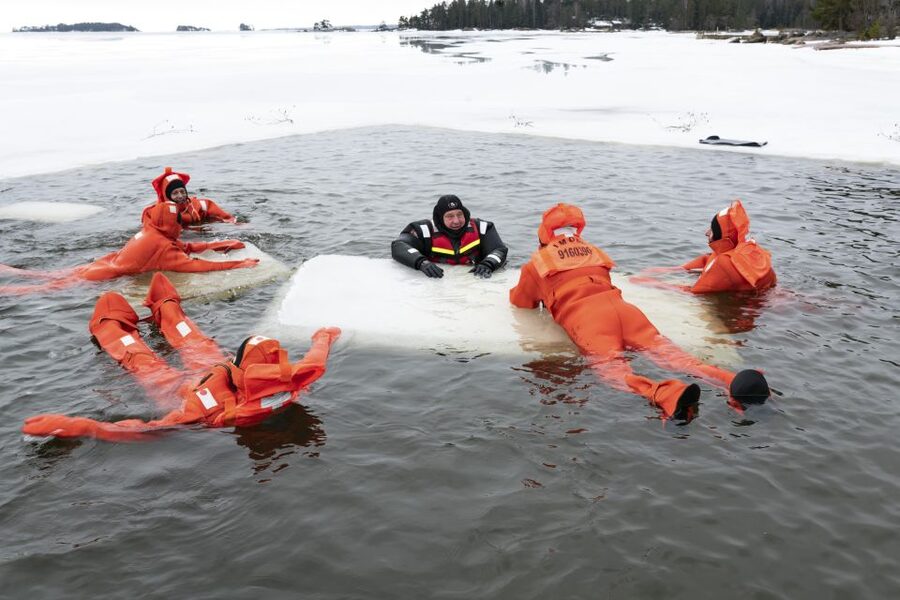
The guide can’t change the weather, but they can help you be comfortable enough to focus on the floating. Here’s what the experience expects.
You bring comfortable clothes. You can come in normal winter street wear. Still, wool helps. Wearing your own wool pullover and wool socks is recommended, and many people find that simple choice makes the suit time feel better.
You should also expect that rain and shine are part of the plan. No weather restrictions are listed, which is a big deal if you want a dependable winter activity. If conditions shift due to wind or ice, you’ll be notified about any location change.
One practical note from participant feedback: the suit can feel tight around the face area, and “looking up” or repositioning like sitting up can feel like work on the neck. So if you’re the type who hates any pressure or restriction, consider that before booking.
Price and Value: Is $159 Worth It?
At $159 per person for 1.5 hours, it doesn’t look cheap on the surface. But you’re paying for more than “time in the water.”
You get:
- A survival suit (the key factor that keeps you warm and supports flotation)
- An English-speaking instructor
- Structured safety learning on cold water, hypothermia, and rescue thinking
- A guided experience that adapts to open water versus ice conditions
Most “warm-weather” tours charge you for guidance and a bit of equipment. Here, the equipment is central, and the guidance is safety-focused. That makes the price feel more like training plus gear than entertainment.
Also, the value is not only in the suit time. It’s in what you learn so you can make better choices around frigid water later. If you live where lakes and coastlines freeze, or if you want confidence for winter bathing, this can be a smart investment in know-how.
Guide Personalities: Why People Keep Mentioning Olli, Leif, and Patrik
What comes through strongly is guide quality. Multiple people named instructors including Olli, Oli, Ollie, Leif, and Patrik. The common theme is that the guides are patient, clear, and supportive, especially for nervous first-timers.
Several participants also described the guide as friendly and fun, and noted that photos or videos were taken and shared right after the session. That matters because it reduces your need to manage a camera while you’re focused on breathing, balance, and following instructions.
If you like learning from someone who can explain without making you feel rushed, you’ll likely appreciate how these instructors manage the flow.
The Best Way to Enjoy It Without Overthinking
Your comfort will come from two things: the suit and your mental approach. The experience literally asks you to close your eyes, breathe, and lose yourself in the silence, even in the heart of Helsinki.
So do that. If you go in trying to “win” the cold, you’ll tense up. If you go in letting the guide lead and focusing on steady breathing, the whole thing becomes easier.
You can also treat it like a controlled skills session. Each moment, ask yourself what you’re learning: how to respond, how to stay calm, and what self-rescue thinking looks like in practice. When you frame it this way, the relaxation feels real, not like forced positivity.
Should You Book This Helsinki Floating Survival Suit Experience?
Book it if you want a genuinely different Helsinki winter activity that mixes relaxation with practical cold-water safety. It’s especially appealing if you don’t swim and you want an instructor-led way to learn about hypothermia, rescue thinking, and how cold affects the body.
Skip it if you have mobility impairments or you’re under 155 cm. Also consider that while the suits keep you warm, some people find the face area tight and neck motion during repositioning can be tiring.
If you’re the type who loves Baltic Sea winter atmosphere, wants a memorable bucket-list moment, and would rather learn safety from real instructors than guess on your own, this is a strong choice.
FAQ
How long is the Helsinki floating experience?
The duration is 1.5 hours.
What’s included in the price?
You get a survival suit and an instructor.
Do I need to know how to swim?
No swimming ability or experience is needed.
What should I bring?
Bring comfortable clothes. Wearing a wool pullover and wool socks is recommended.
Is the activity affected by weather?
It operates in rain and shine, with no weather restrictions listed. The operator may change the location if wind or ice conditions require it.
Is there any age or height requirement?
It’s not suitable for people under 5 ft 1 in (155 cm), and it’s also not suitable for people with mobility impairments.
Latest to land in Helsinki
- Ultimate Helsinki & Porvoo Tour– Private Car & Local Stories★ 4.9 · 6 reviews
- Traditional smoke sauna experience and national park visit★ 5.0 · 10 reviews
- Winter kayaking in Eastern Helsinki archipelago★ 5.0 · 3 reviews
- From Helsinki: Moose Safari with Campfire Dinner★ 5.0 · 58 reviews
- Winter Wonderland Hike in a National Park★ 5.0 · 63 reviews
- Walking tour with a Wilderness Guide★ 5.0 · 17 reviews
- Helsinki Self-Guided Audio Tour★ 3.5 · 14 reviews
- Private VIP Transfer from or to Helsinki Airport★ 4.5 · 11 reviews
Ice Floating, compared.
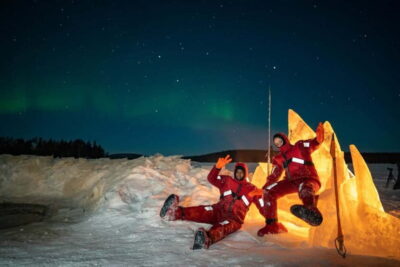
Ice Floating in Forest Lake with Aurora Borealis
Read our review →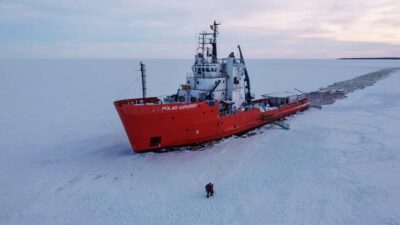
Icebreaker Cruise with Ice Floating and Transfer
Read our review →
Daytime Ice Floating Rovaniemi, Frozen Lake Experience
Read our review →
Aurora Arctic Ice Floating in Rovaniemi, Small-group
Read our review →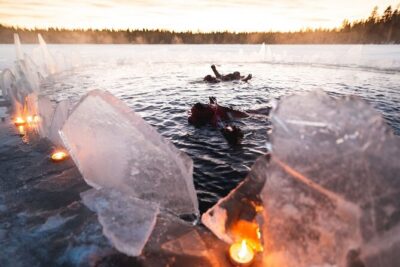
Daytime Arctic Ice-Floating in Rovaniemi, Small-Group
Read our review →Browse the lists this tour appears in